Reshaping e-learning
A quick, visual overview of 4 years designing the future of e-learning
In the autumn of 2010, after a few years of freelancing, I decided to take on a new adventure and moved to Shanghai to join EF Labs, the research and development hub of Education First. My first job in a product team, and my first time designing something that thousands of students would use every day.
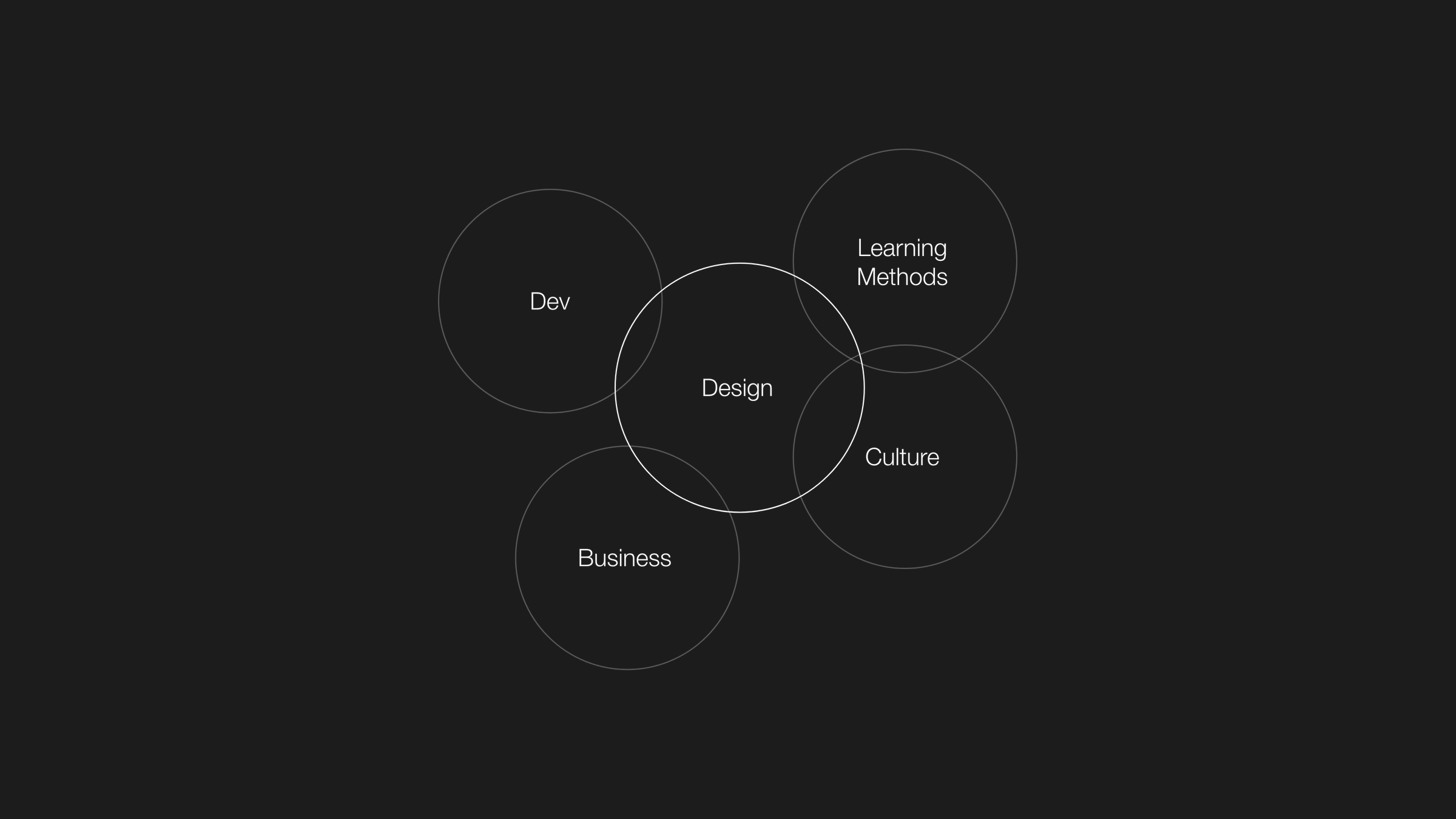
E-learning, as I learned from the very beginning, is a complex topic: it touches many different knowledge branches and involves far more stakeholders and variables than other digital products. My focus was the courseware: the core of every student's digital learning experience.
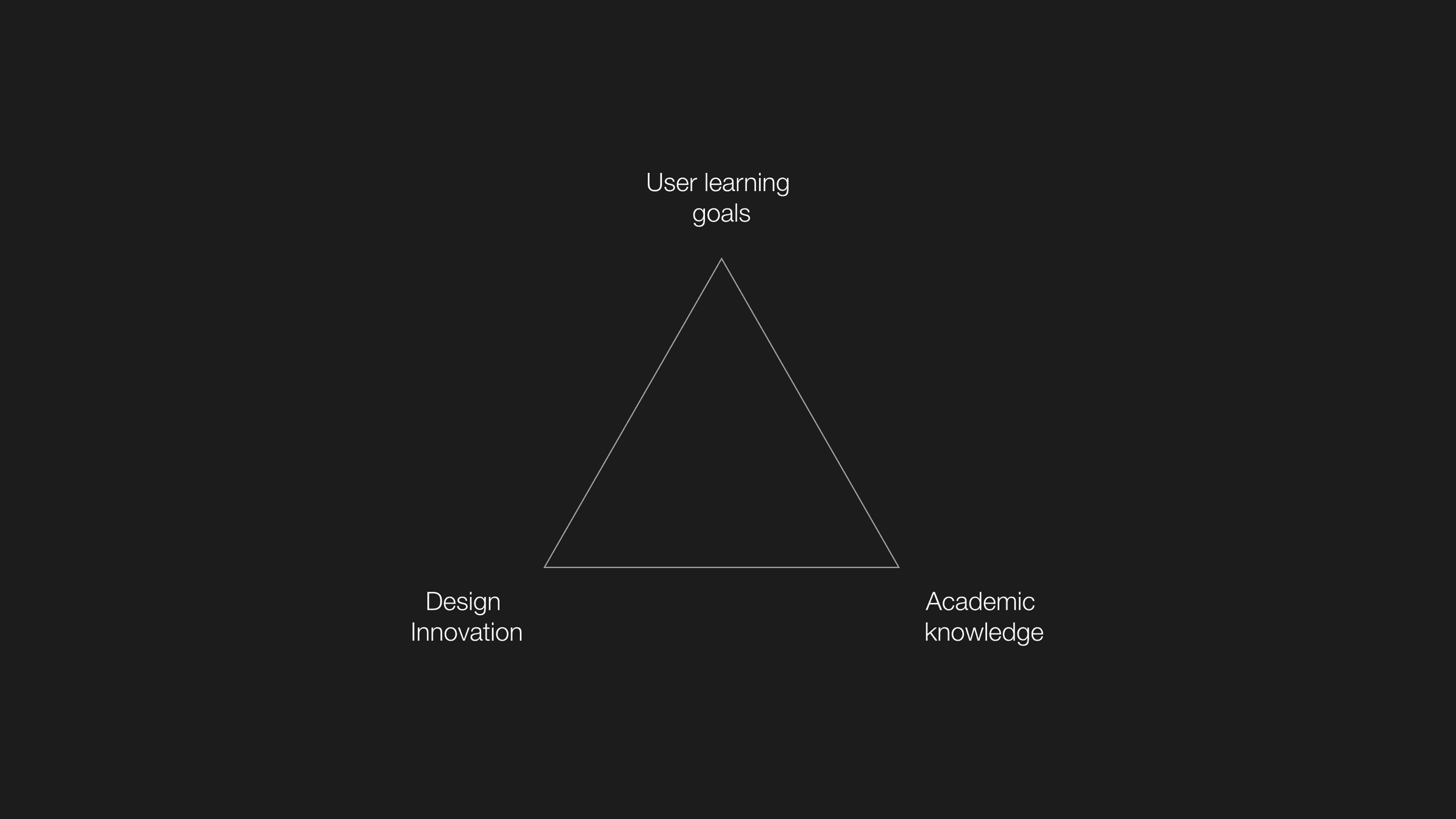
This project ran alongside a full refresh of the course content, so as designers we wanted to bring new, more engaging patterns to the activities, while being responsible for helping people reach their learning goals. That meant working hand in hand with a team of academics.
We wanted to explore creative, playful ways to engage students. The academics were, understandably, more conservative about learning methods. That friction created interesting dynamics, and as the conversation progressed, it turned out to be exactly what generated the best ideas.
Dynamics of e-learning products
0103
A subtle balance
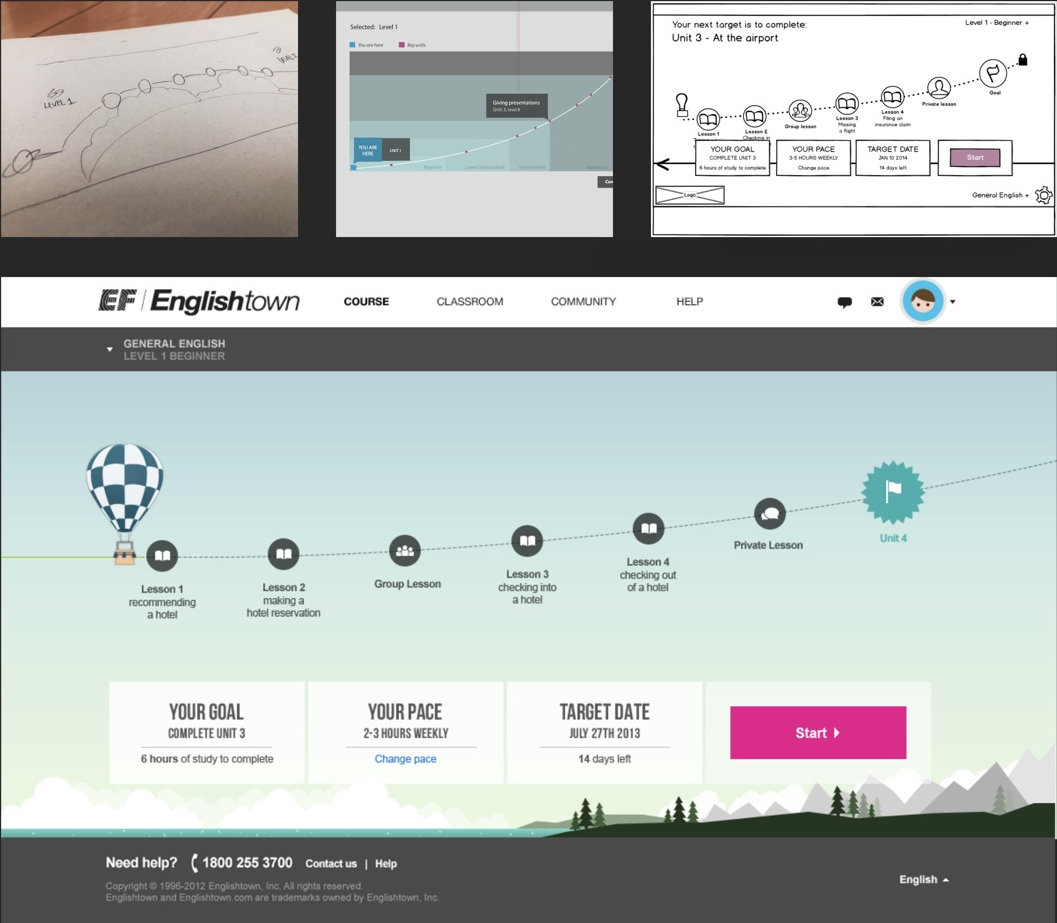
As experience designers we wanted the courseware to feel fun and visual, and to show that learning a language is a journey. Through short sprints and rapid testing we arrived at thematic units, each one a sequence of activities that introduce, explain and test what you need to express yourself in a real situation: ordering at a restaurant, checking into a hotel.
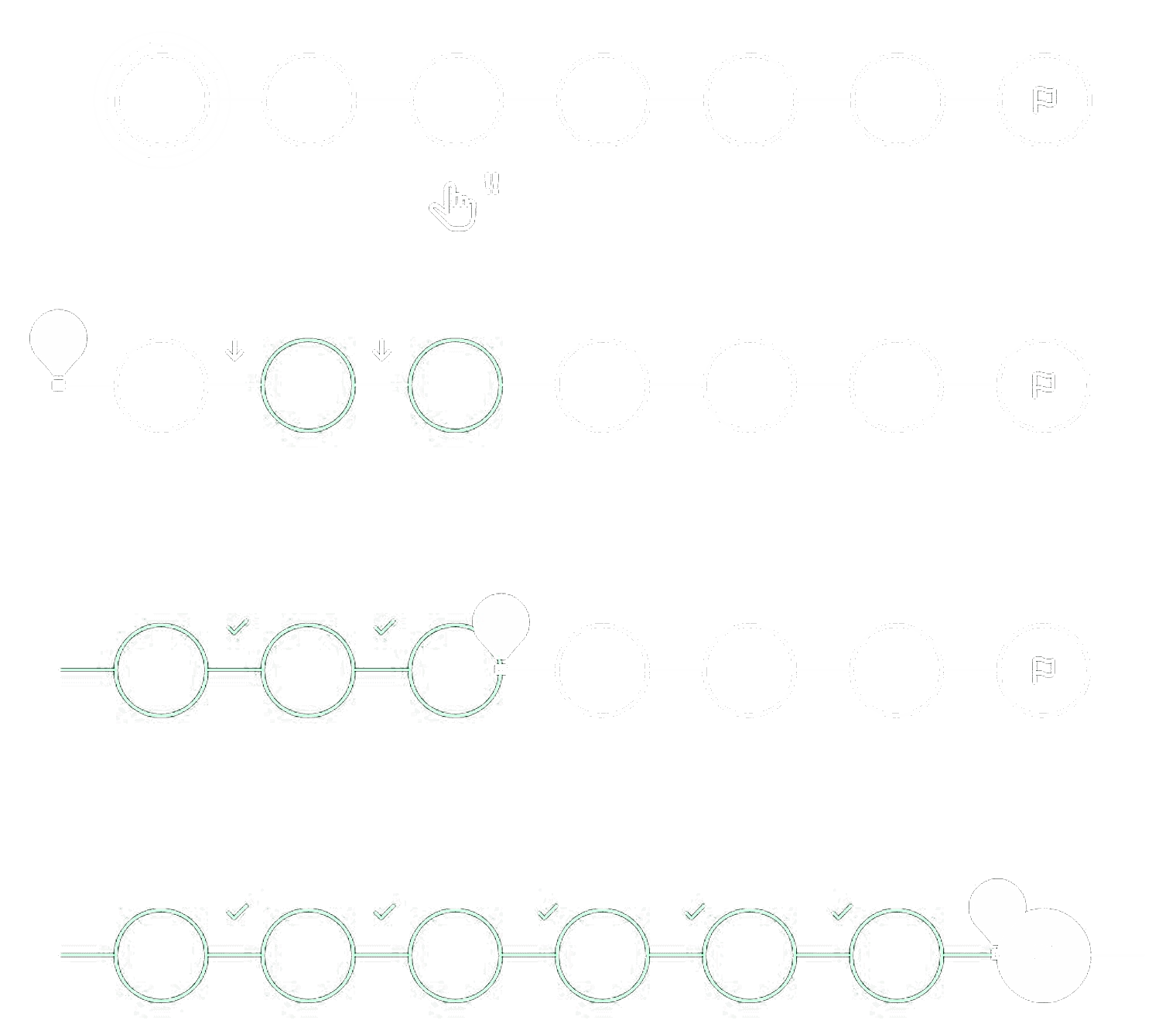
A hot-air balloon became the metaphor for progress, floating along the unit as activities get completed.
We put an alpha in front of a limited group of students as early as we could, to test our assumptions. People enjoyed the new units and most activities got good reviews. But halfway through a unit, students were dropping off, and the activities to blame were the ones we were proudest of: the audio and speaking ones.
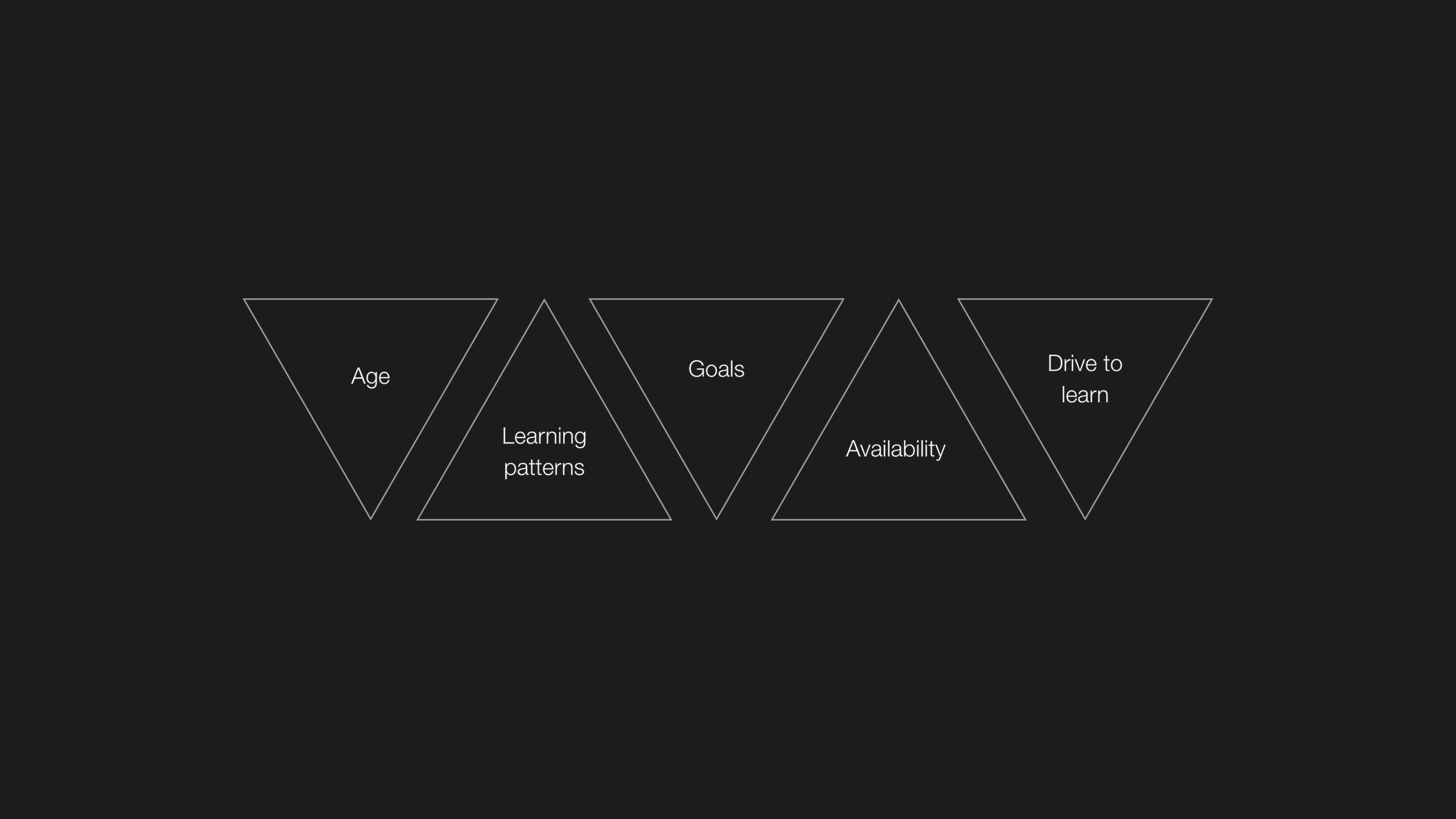
I still remember this as the moment I understood what research and user-centred design were for. Being in Shanghai, we could quickly sit down with students across different centres. The answer was simple once we heard it: those activities need a quiet room and a bit of privacy, and most people were studying from an office or a café, in the middle of the day. Our strictly linear unit, where you couldn't skip ahead, was turning a practical problem into a frustrating one.
The academics were right that sequence matters in language learning; the students were right that life gets in the way. So we didn't pick a side.
Students could now take a unit's activities in whatever order fit their day. To keep the preferred path visible without enforcing it, the next activity would gently rattle to catch the eye. And the connectors between activities behave like a circuit: they light up green only when the sequence is completed in order, and the balloon rides the lit track, or gets stuck wherever a link is missing, until everything is done and the unit test unlocks.
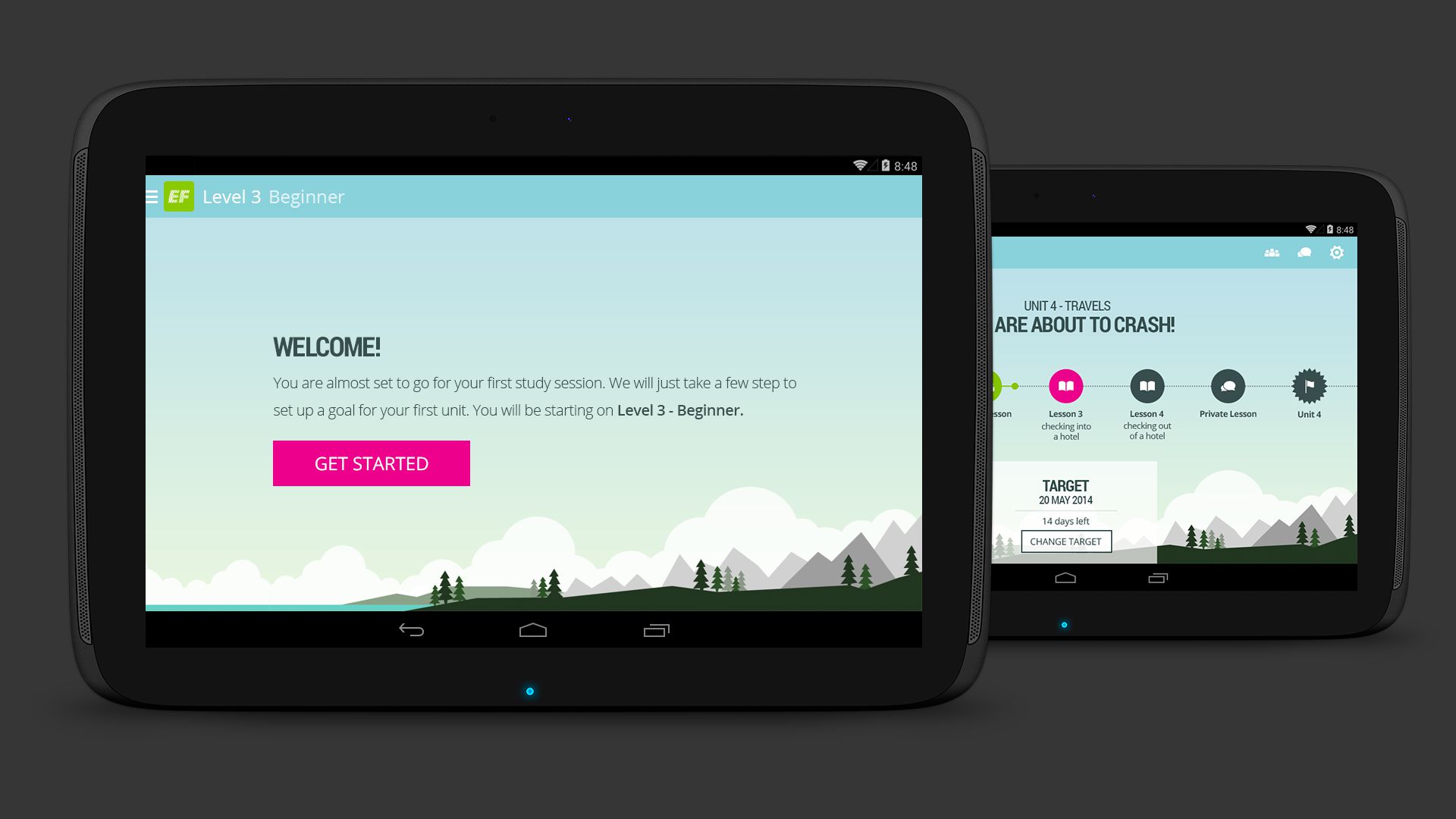
We tested the same flow on a tablet prototype: set a goal, pick an activity from the unit, and go straight into the lesson.
The iteration went live and did what we hoped: more students kept going, and they progressed through their goals in a way that fit their lives. Later that year we released the courseware for tablets.
The courseware

0103
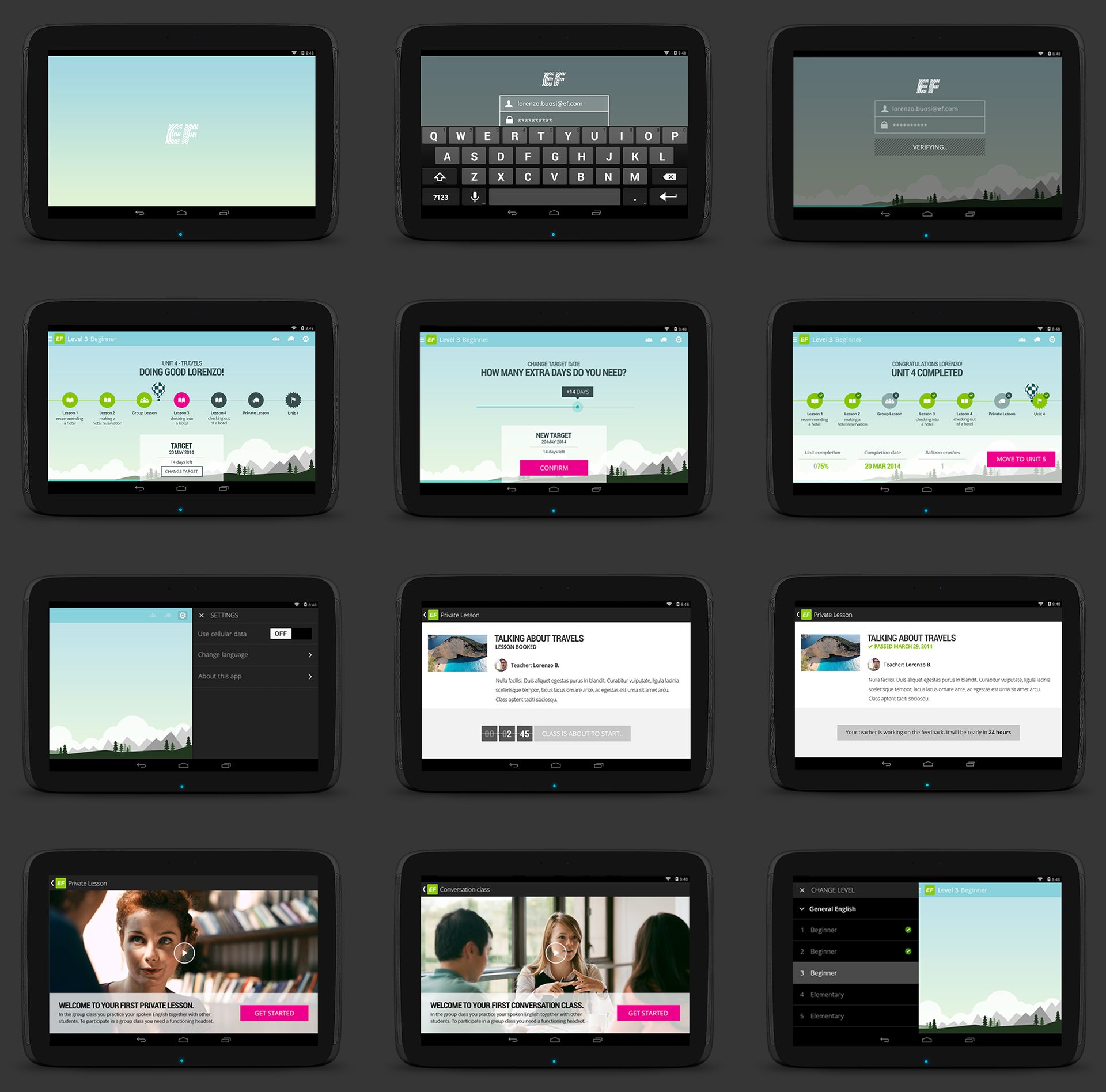
Finally, the new design on production.
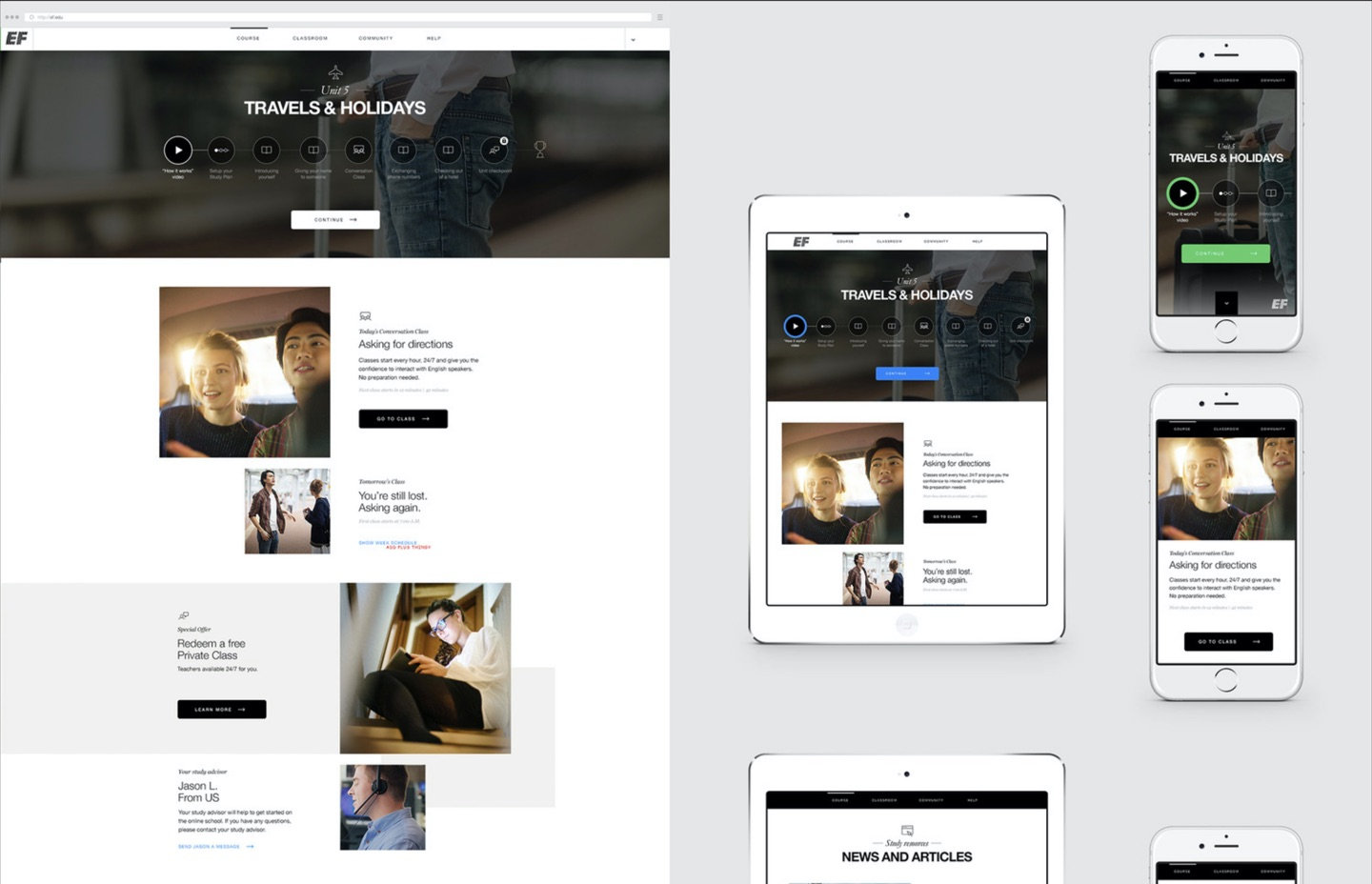
The year after, I focused on a new application for mobile, built on the same foundations for progress while exploring what learning activities could look like on a phone.
Those few years turned into half a dozen major projects for the company, from redesigning the community site to building new apps from scratch.
Learning and iterating
A few years ago I had a chance to look at the courseware again. Some of the patterns we drew up in Shanghai were still there, improved and modernised, still carrying students from one activity to the next. Finding them in the wild, years later, was a truly rewarding moment.
If you'd like to walk through the full case study, please feel free to reach out!